

Cost of living for Nigerian university students is the total of what student life actually costs — accommodation, feeding, transport, academic materials, data, and personal needs — and it varies sharply by institution, city, and lifestyle. This guide maps the cost categories, so students can estimate honestly, instead of copying someone else’s figure.
The cost categories
- Accommodation — hostel fees, off-campus rent, and associated costs (agent fees where applicable, utilities, security), as institutions and landlords state. Hostel allocation is NOT guaranteed — off-campus costs differ from hostel costs, as the Profiles & Fees cluster covers.
- Feeding — daily meals, cooking ingredients, and snacks, as market prices state. Cooking usually costs less than buying every meal, as the affordable-meals guide covers.
- Transport — campus shuttles, town transport, and trips home, as transport operators state. Distance from campus drives this cost more than anything else.
- Academic materials — handouts, textbooks, printing, practical materials, and project costs, as departments state. Project and practical costs spike in final year, as students report.
- Data and communication — phone data, airtime, and device charging, as network operators state. Data costs rise with online classes and research.
- Personal and health — toiletries, clothing, laundry, and basic healthcare, as personal needs state. Health costs spike unexpectedly — a small health reserve matters.
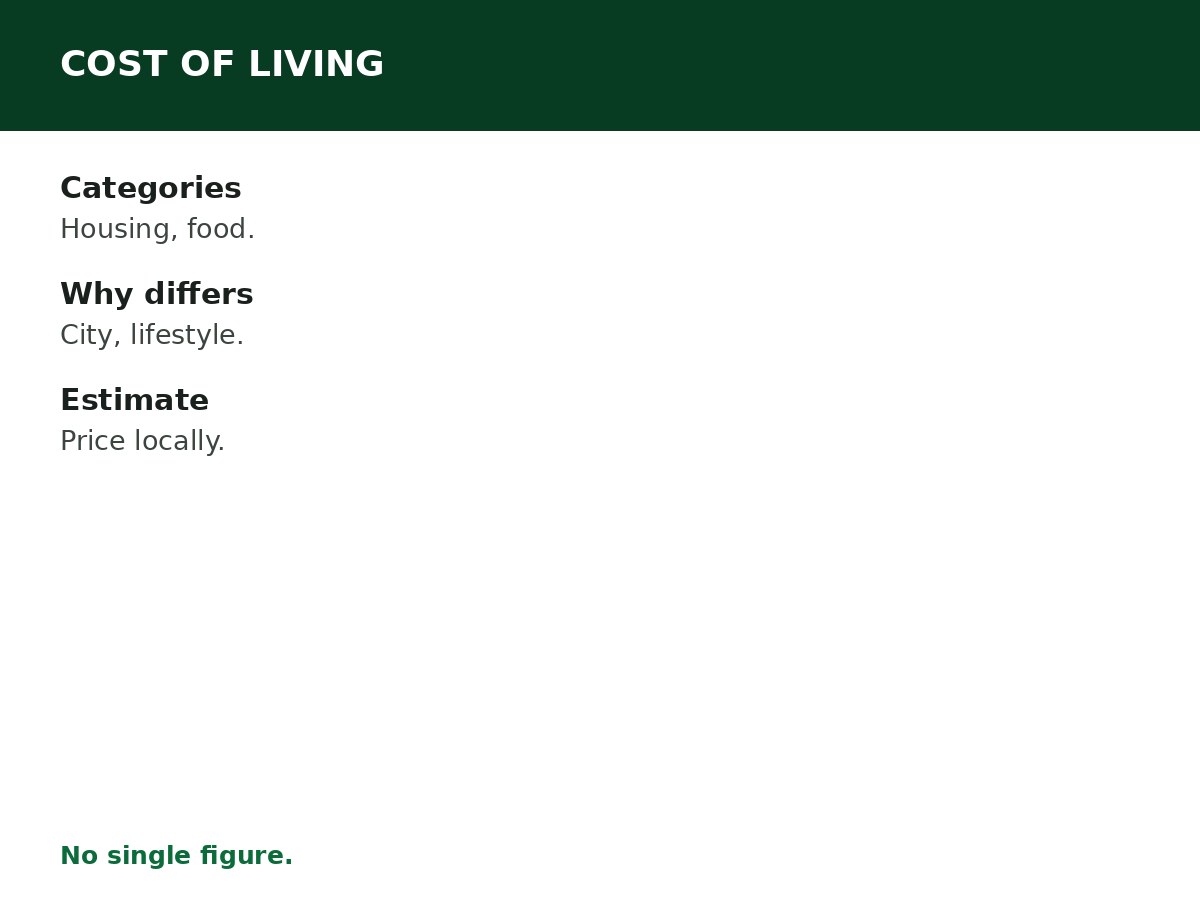
Why figures differ so much
- City matters most — Lagos, Abuja, and Port Harcourt costs differ from smaller university towns, as the market states, for rent, food, and transport alike.
- Lifestyle matters second — cooking vs eating out, shared rooms vs single rooms, and transport choices, shift totals more than any single item.
- Session matters third — new-session costs (fees, materials, setup) exceed mid-session costs, as students report. Budget for the session, not the month, where possible.
How to estimate your own cost
- List your categories — accommodation, feeding, transport, academic, data, personal, health — for your institution and city.
- Price each locally — hostel office, market, transport operators, and department notices, for current prices, not last session’s figures.
- Add a buffer — a small reserve, for unexpected costs (health, materials, transport), as the budget guide covers.
- Review monthly — actual spending, compared with estimates, adjusted monthly, as the budget guide covers.
Related Guides & Next Steps
- How to Budget as a University Student
- How to Save Money as a Student
- Useful Websites for Nigerian Students
Frequently asked questions
How much does it cost to live as a Nigerian university student? It varies sharply by institution, city, and lifestyle — no single figure applies. This guide maps the categories (accommodation, feeding, transport, academic, data, personal, health) so students can estimate locally, not copy someone else’s figure.
What costs most for university students? Usually accommodation and feeding, as the market states — but city, lifestyle, and distance from campus shift the balance. Price each category locally for your institution and city.
Is hostel accommodation guaranteed? No — hostel allocation is NOT guaranteed, as the Profiles & Fees cluster covers. Off-campus costs differ from hostel costs, so budget for the option you actually secure.
Why do students’ cost figures differ so much? Because city matters most, lifestyle second, and session third — Lagos costs differ from smaller university towns, cooking differs from eating out, and new-session costs exceed mid-session costs.
How should I estimate my own cost of living? By listing your categories, pricing each locally (hostel office, market, transport, department notices), adding a buffer for unexpected costs, and reviewing monthly against actual spending.
Sources and last update
- No cost figure, price, or fee is asserted anywhere in this article, deliberately — prices vary by institution, location, and session, and change often. Institution notices, hostel offices, and market prices at the time govern.
- No specific accommodation, vendor, or seller is recommended anywhere in this article — students verify each option in person before paying anything.
- Scam patterns: advance payment for rooms never seen, agents demanding fees before viewing, and sellers collecting payment for goods never delivered are red flags — verify in person, get receipts, and never pay for what you have not seen.
- No admission, accommodation, or financial outcome is promised anywhere in this article.
Last updated: 24 October 2026. Guide — review every 6–12 months, and at the start of each academic session.

Written by Olaitan Ilori
Olaitan Ilori is the founder and lead researcher at CareerMedal. He provides verified, practical guides on Nigerian tertiary admissions (JAMB, CAPS, Post-UTME), NELFUND student finance, NYSC service-year survival, and early-career job placement.
View all guides by Olaitan Ilori →